If you still need to use legacy hardware as VAX, Alpha, SPARC, HP-PA or SGI you can extend their lifetime by replacing fans, power supply and also storage like SCSI disks with SD Micro.
In many cases for development or non production systems it is not always justified and useful to use an expensive and/or slow emulator/simulator for daily work, as development and testing, for various reasons, but instead keep and use the original hardware makes sense, also as reference when the others fail to behave.
Some may argue that you can’t take it with you; you can leave it on, create port forward in your internet router and access the system remotely, via VPN.
These old systems are capable of a lifetime PC servers only can dream of, can you count how many times PC’s have been replaced while you used your Alpha from beginning?
I remember using Windows XP on a 133MHz PC at the same time I used a 233 MHz Alpha station, PC long gone while the same Alpha is still running OpenVMS.
Though some parts age more than others and can be replaced.
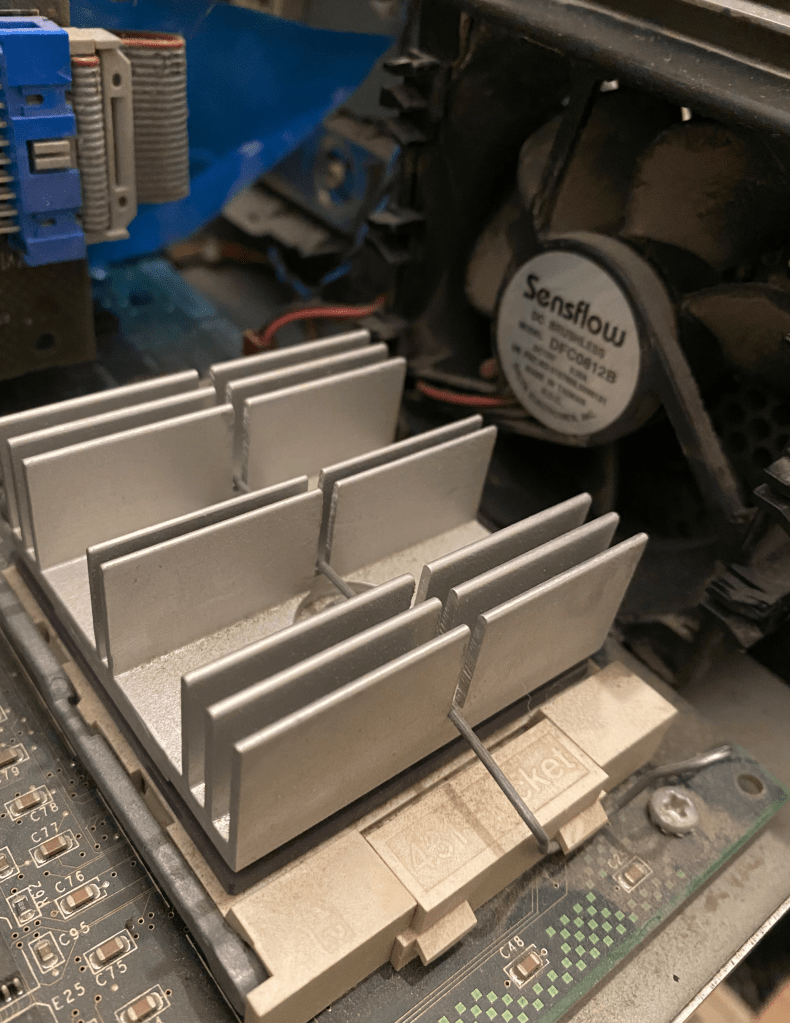
Fans can be replaced by newer more silent and effective fans, make sure the voltage and connectors match, also power supplies can be either refurbished by replacing capacitors and fans to extend life if not new matching replacements are found.
SCSI disks can be replaced by SCSI2SD boards where you can configure number of disks and size depending on size of SD Micro and then backup or copy the data from the real SCSI to the SCSI2SD devices and your system will run for another 20 to 30 years or so.
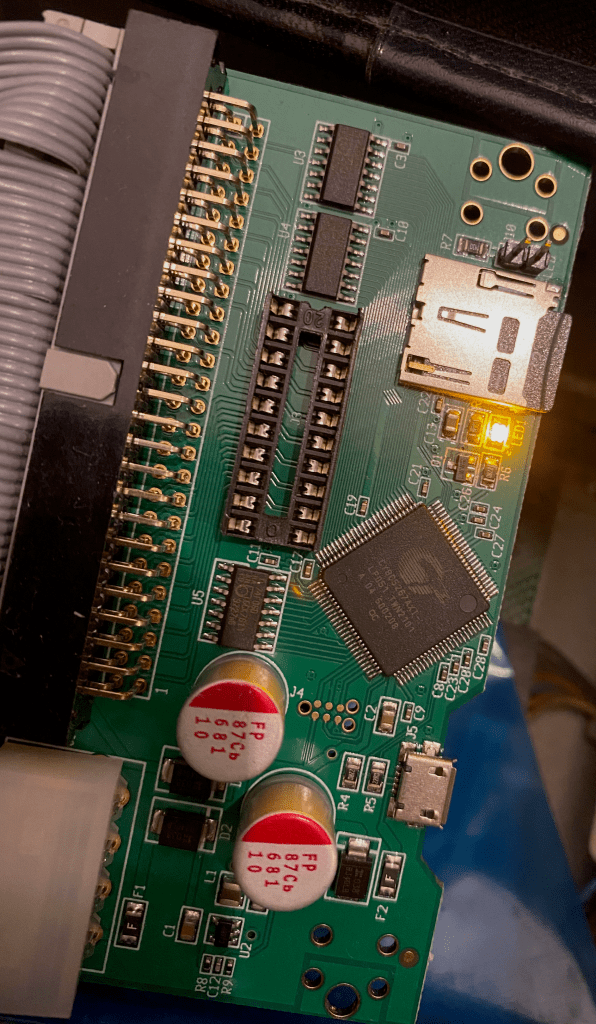
Adapter is extremely easy to install and configure, using USB, one can also preconfigure empty disk containers if free space exists, as many as the board supports, and you’re ready to go in case space is needed in the future.

On SRM console you will see the device as

In OpenVMS you will see the device as

If you need I/O performance and have a larger system capable of pushing lots of I/O, then you must use fastest supported SD Micro and maybe using more than one SCSI2SD board, same principle when splitting I/O in any other disk configuration.

 TechBlog